The Boundary Between Abstraction and Recognition
My work explores the shifting boundary between abstraction and recognition. Through digital symmetry, layered textures, and slow, evolving patterns, I create images that invite the viewer to look — and then look again. Nothing is fixed; every figure is temporary.
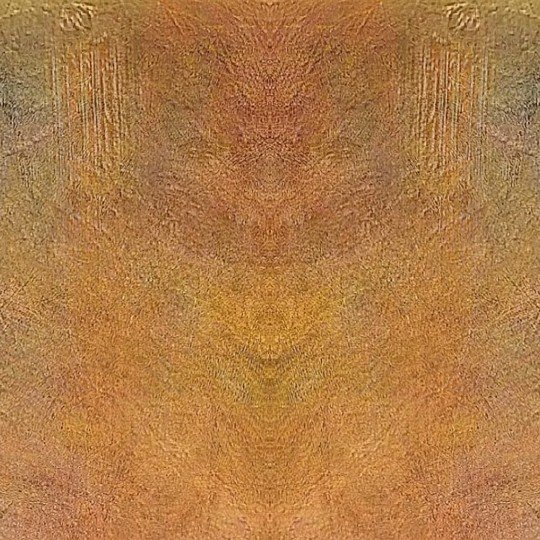
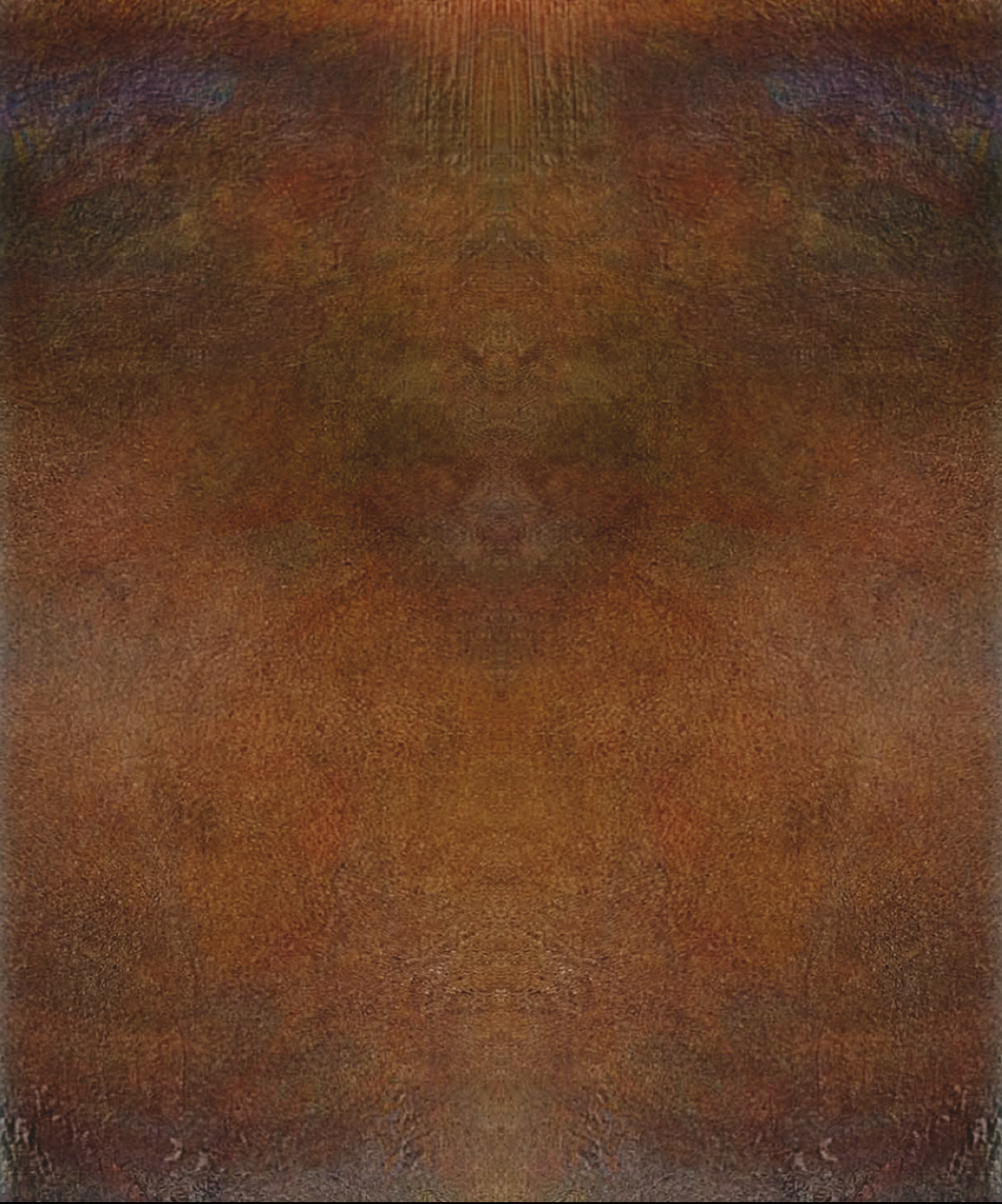
I work with structures, mirrored forms, and subtle visual cues that allow pareidolia to emerge naturally. Sometimes the faces appear instantly, sometimes only after a moment of slow observation. At close range, the details reveal micro‑pareidolia shaped by texture. From a distance, these fragments merge into larger figures that disappear again when you step closer.
Color can guide the eye, but it is not always necessary. Many of the shapes shift purely through structure, contrast, and the way the brain organizes visual information. Rotation adds yet another dimension: turn the image 180 degrees and new identities appear, as if the artwork contains multiple viewpoints within the same frame.
My work is meant to be explored slowly — an open invitation to discover how perception changes with distance, orientation, and time. Every viewer sees something different, and every glance reveals a new possibility.
This videos demonstrates how subtle color shifts can make shapes appear and disappear, creating the perfect conditions for pareidolia — the human tendency to perceive faces or familiar figures in random patterns.
Pareidolia happens when our brain tries to bring order to visual chaos. When colors change, contrast increases or decreases, and edges become more or less defined, our visual system starts searching for meaning. In these moments, ambiguous shapes can suddenly look like eyes, mouths, masks, or entire faces. As the colors shift again, those same figures dissolve back into abstract forms.
The effect you see here is not magic — it’s a psychological and neurological response. By manipulating color and contrast, the video makes it easier for the brain to “fill in the gaps” and project familiar patterns onto something that is actually random.
This raises an interesting question: If multiple people see the same figure in the same shifting image, is it still pareidolia? Or does shared perception suggest that the pattern is not just a creation of the mind, but something objectively present?
Slow Art — Images That Reveal Themselves Over Time
Sometimes we don’t need color at all to see faces shifting in front of us. In the next examples, the figures appear spontaneously: you’re looking at an abstract shape, and suddenly a face emerges. The moment you recognize it, the image seems to flip — the first face disappears, and a new one takes its place.
This natural “jump” from one face to another shows how pareidolia works even without color cues. Our brain keeps searching for meaning, constantly reorganizing the same lines and shadows into different identities. It’s slowart, so take your time …
The longer you look, the more it reveals.
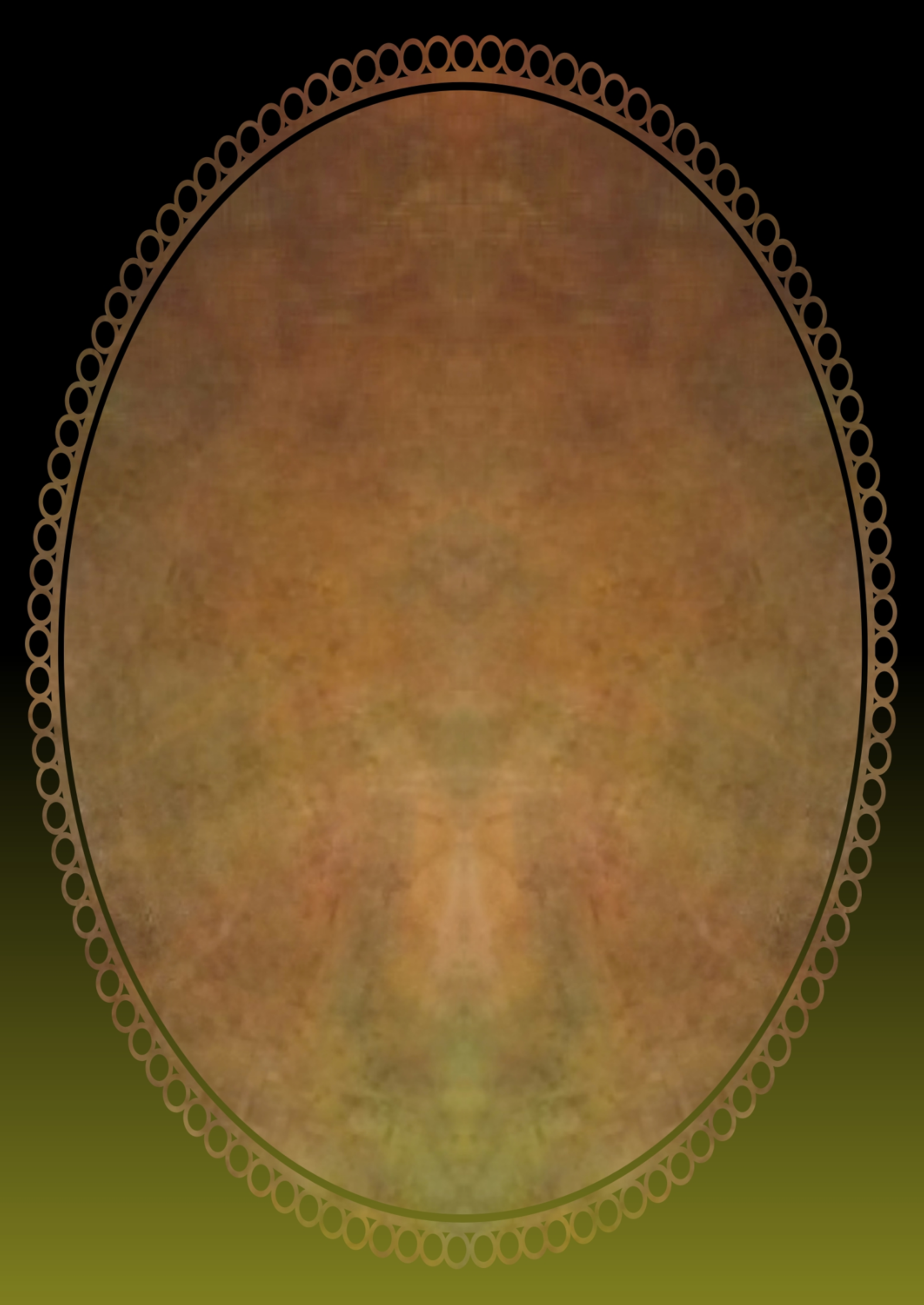
Distance Matters — Micro & Macro Pareidolia
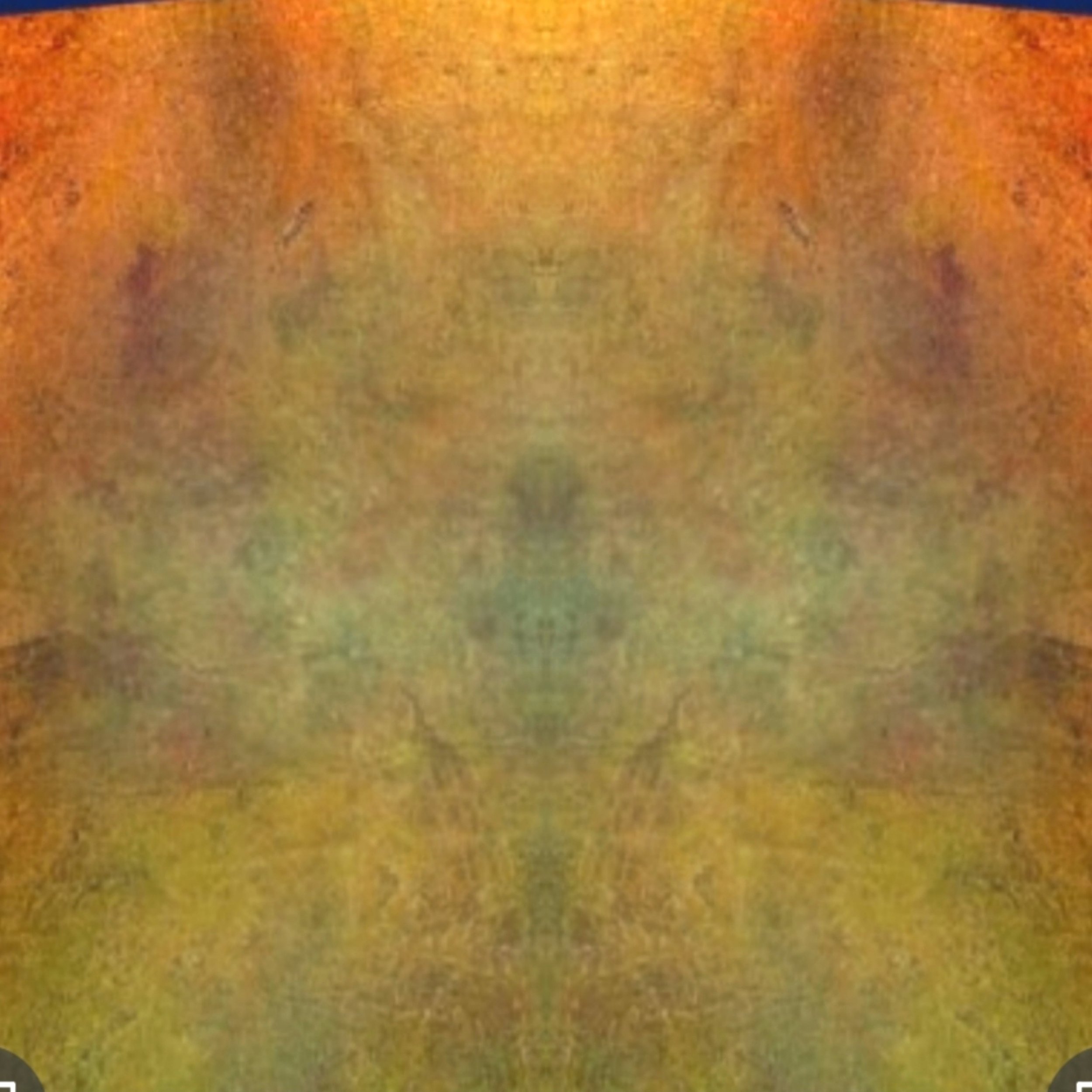
We don’t always see the same figures from every distance. When you stand close to an image, you often notice tiny details — textures, grains, and subtle patterns that create micro‑pareidolia. Sometimes you see nothing at all, just abstract shapes.
But when you step back, the small details blend together. Suddenly a larger figure appears — a face, a mask, or a silhouette that wasn’t visible up close. And as soon as you move closer again, that bigger figure disappears, replaced by new shapes or by pure abstraction.
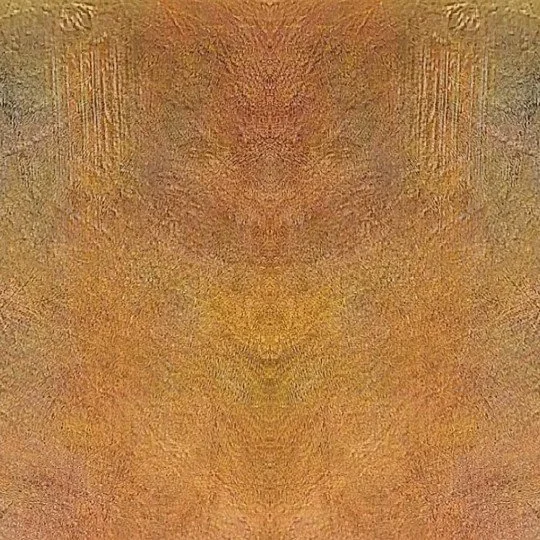
Rotation & Symmetry — Multiple Identities in One Image
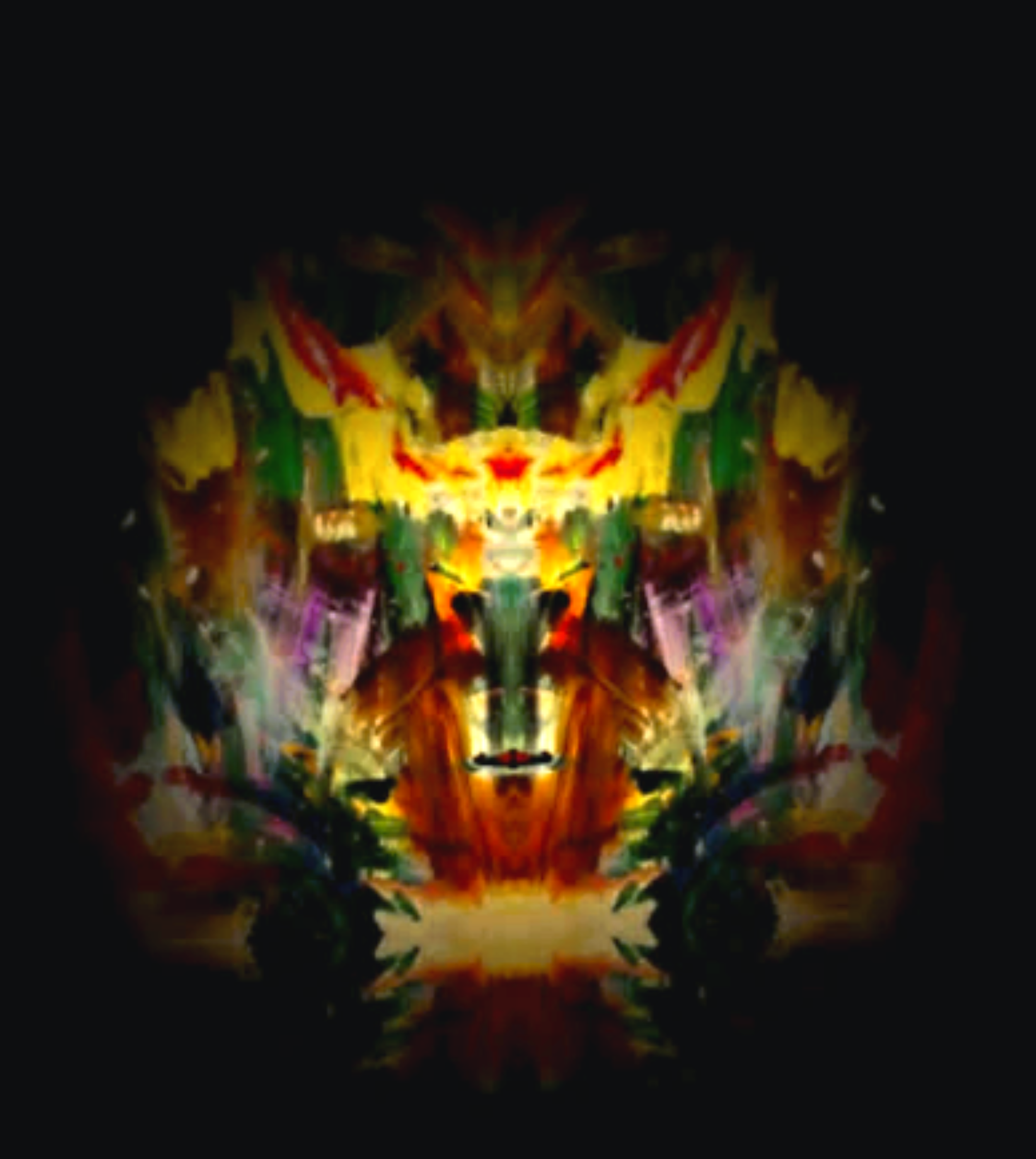
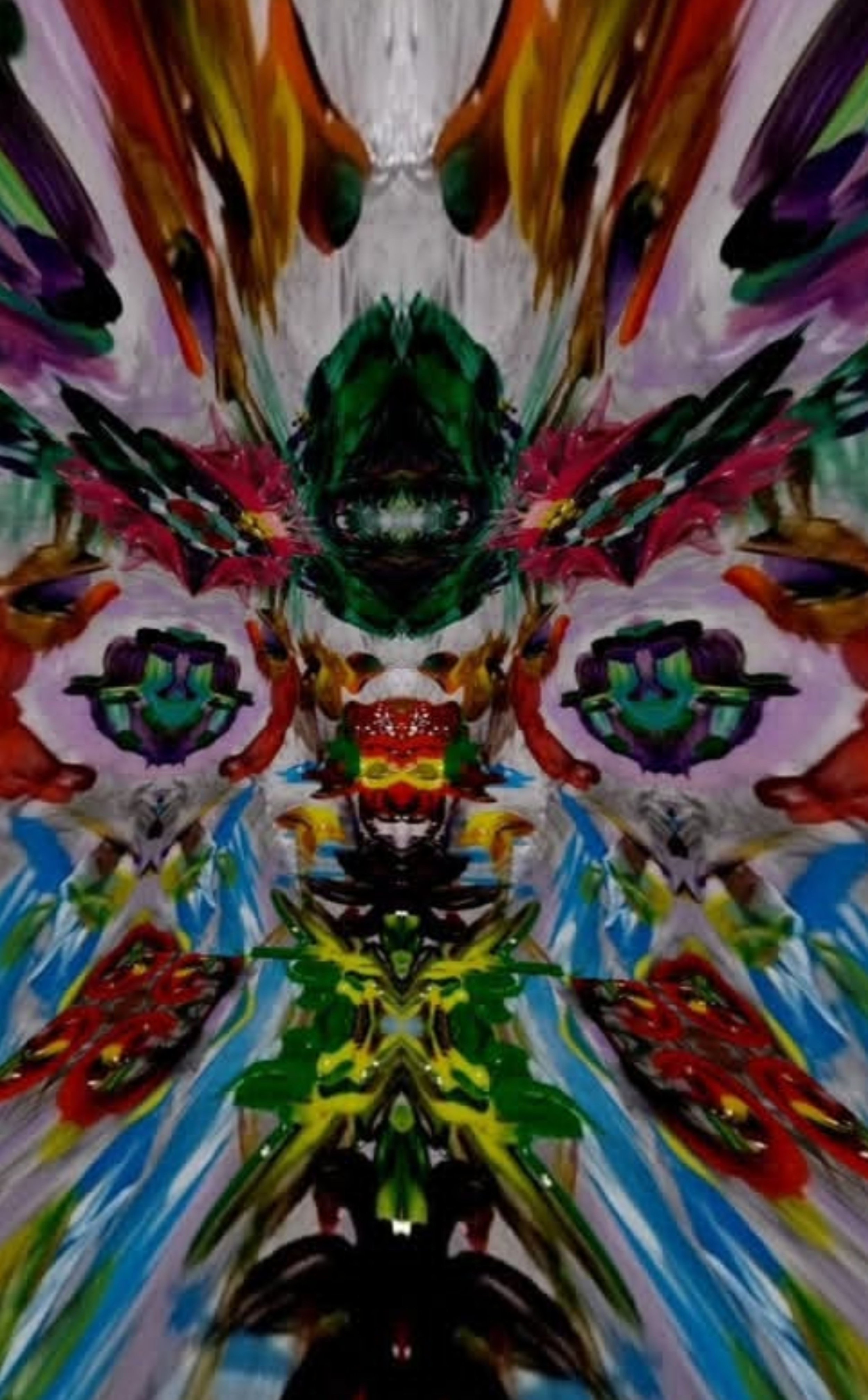
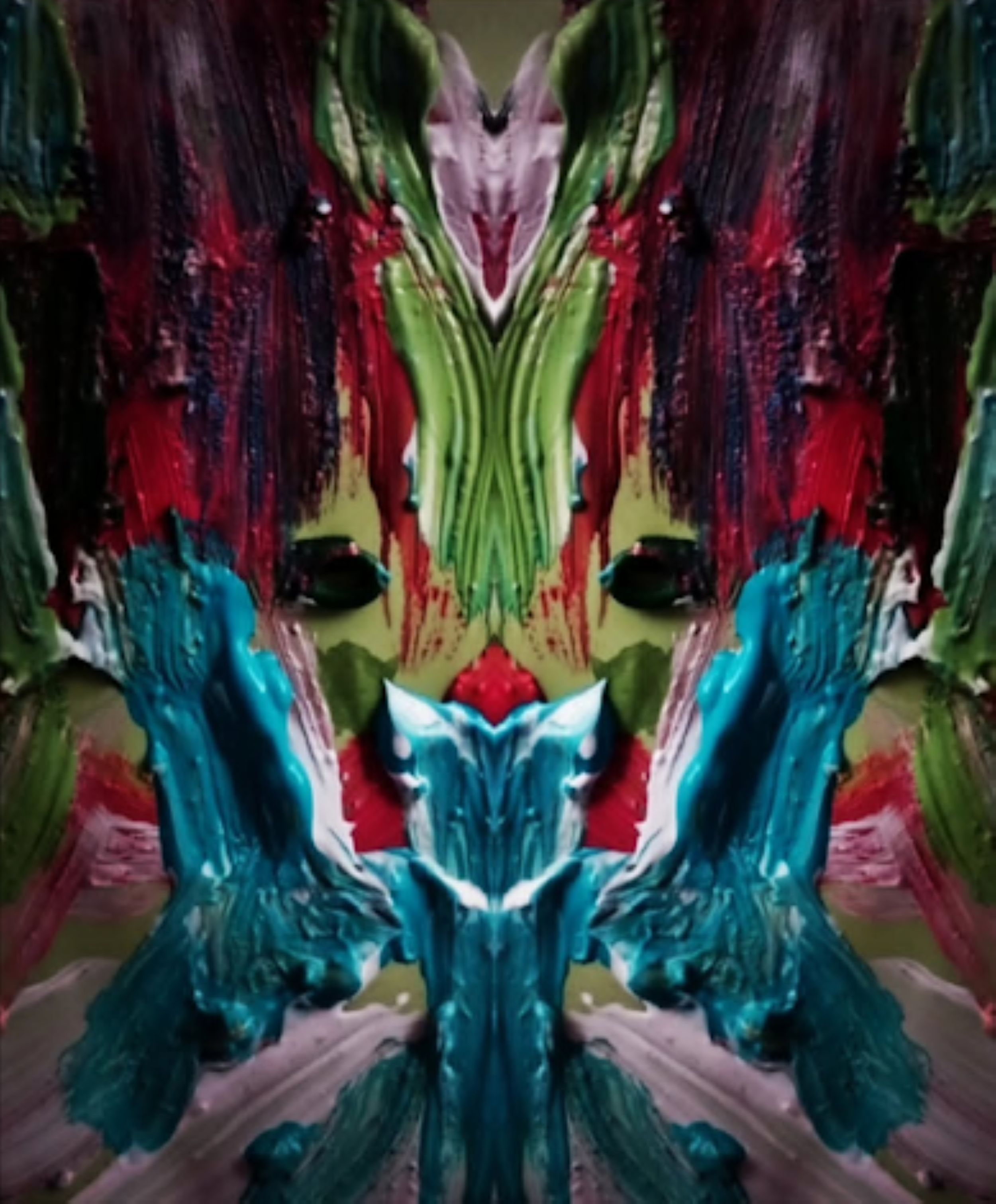
Digital symmetry introduces an extra layer to how we perceive shapes and faces. Because both sides of the image mirror each other, our brain can interpret the same pattern in multiple orientations. Very often, you can rotate the artwork 180 degrees and discover completely different figures — faces that weren’t visible before, or shapes that suddenly make sense only when flipped upside down.
This effect doesn’t happen in every image, but in many symmetrical compositions it creates a second viewpoint, almost like a hidden world that appears only when the artwork is turned around. It’s another way pareidolia reveals itself, showing how the same structure can hold multiple identities depending on how we look at it.
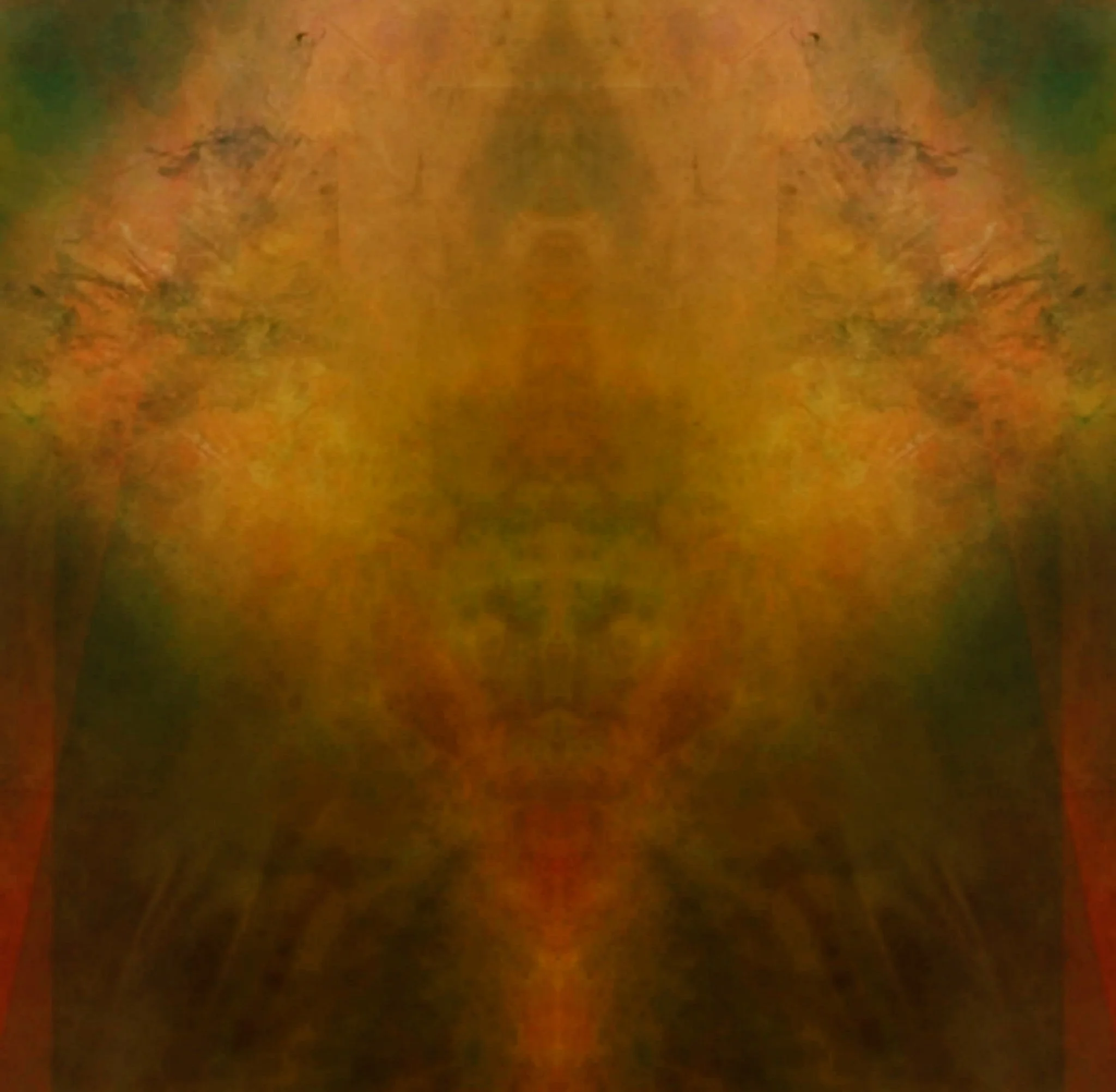
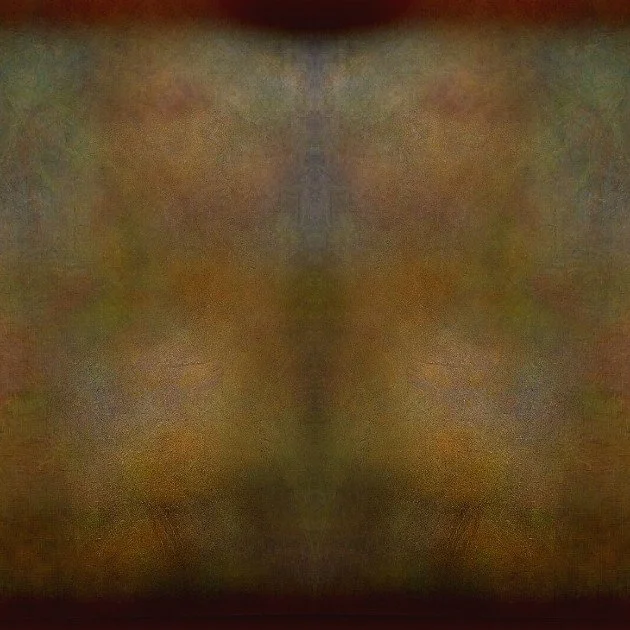
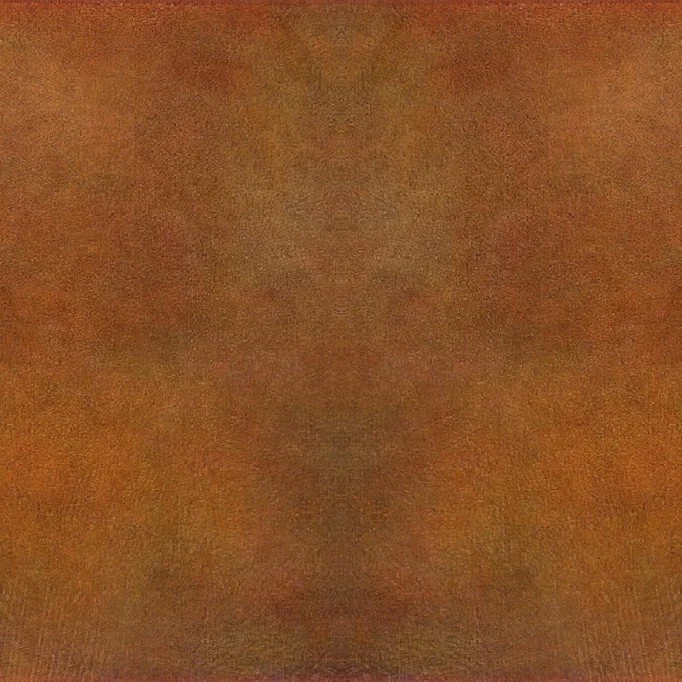
“A few examples of my artworks — some with pareidolia and others without. Soon they will be available for purchase.
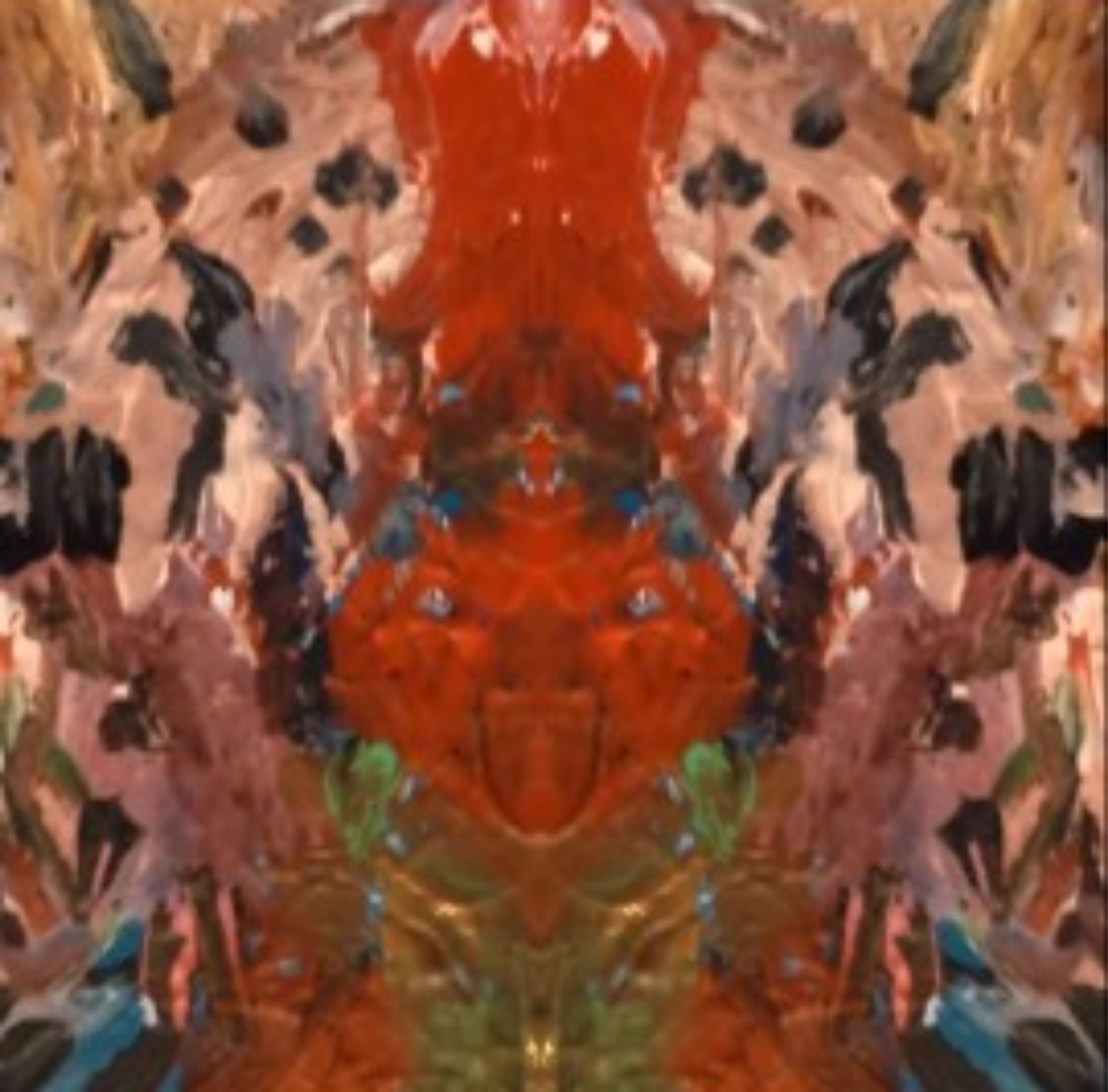
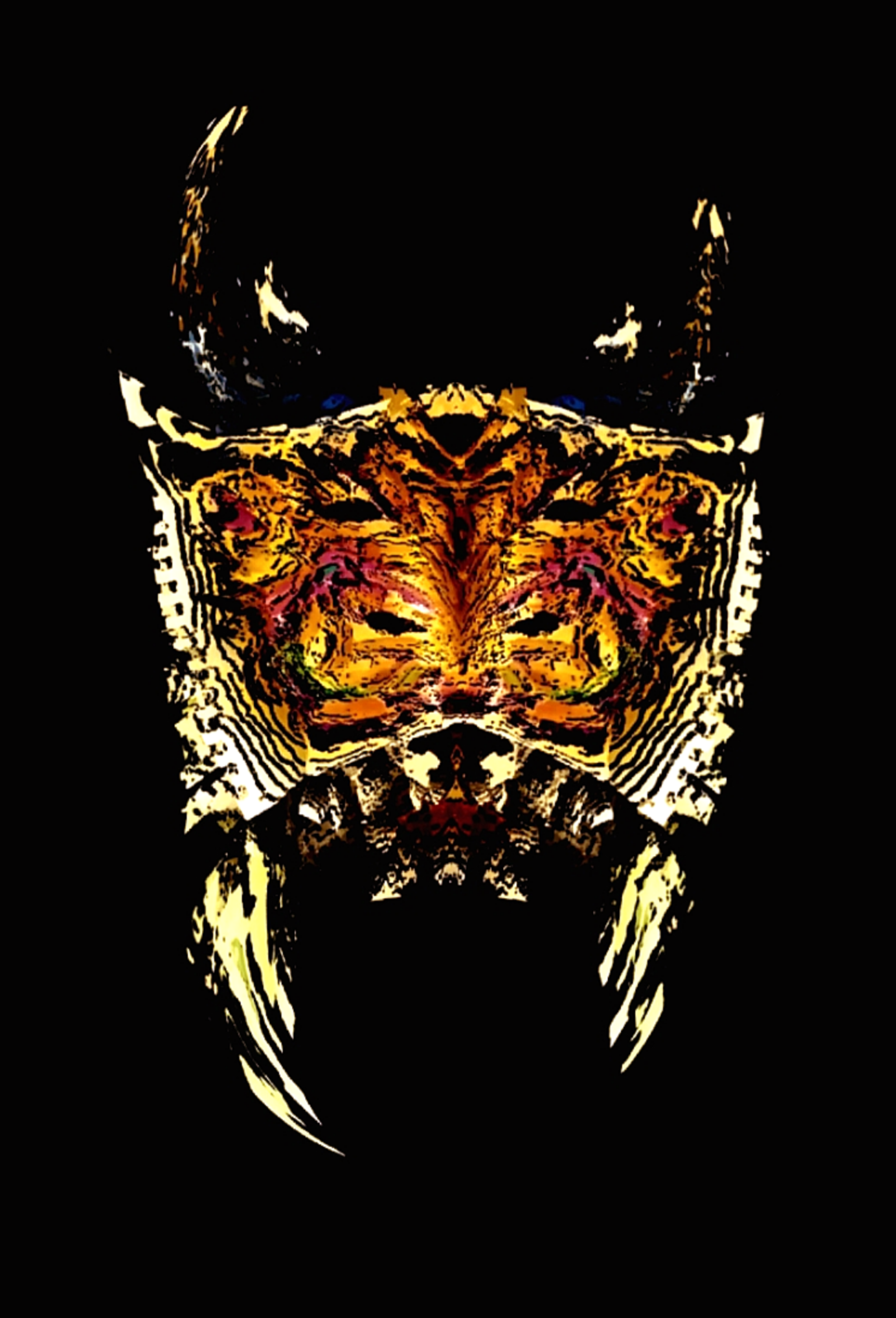
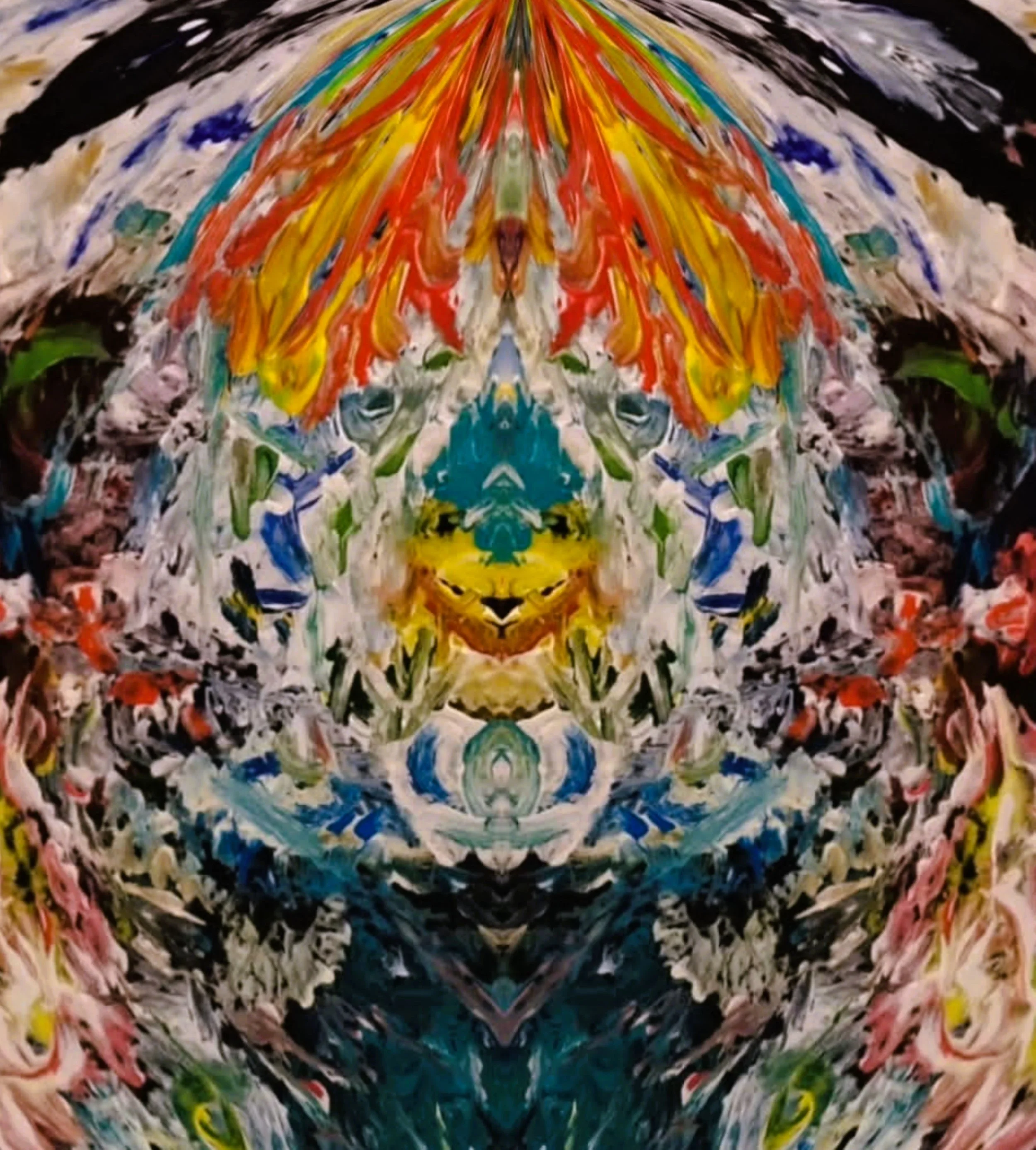
=
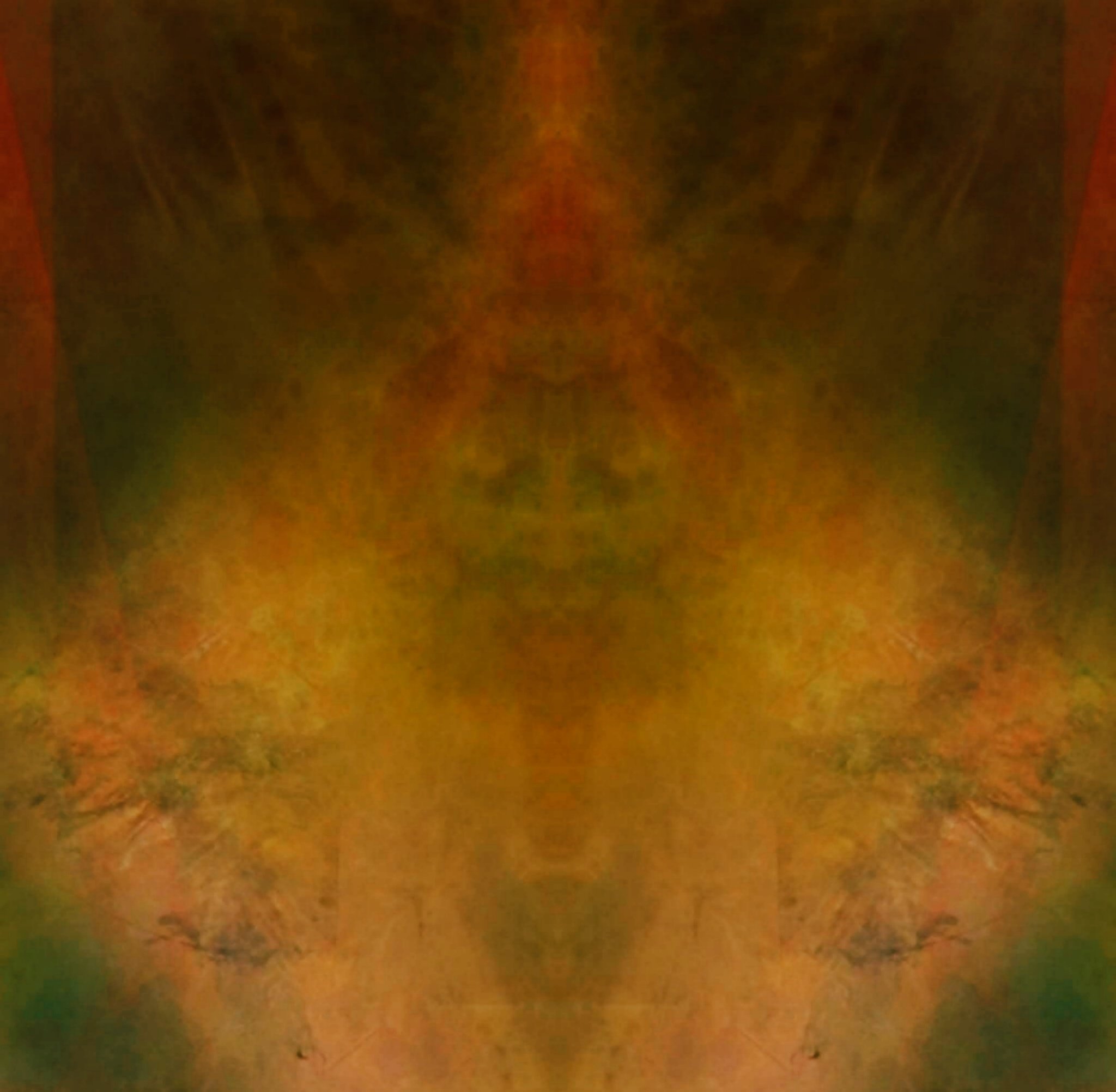
Micro and macro pareidolia can merge into one whole
Micro and macro pareidolia often work together within the same image. Up close, textures, tiny details, and subtle patterns can create small, delicate faces — micro‑pareidolia shaped by the material itself. Color may play a role, but in most cases the structure alone is enough.
When you step back, those small details blend into larger shapes. The micro‑faces disappear, and a bigger, more unified figure becomes visible. Both scales — the tiny and the large — are part of the same visual system, shifting depending on distance, texture, and how the brain organizes the image.
In this way, micro and macro pareidolia aren’t separate phenomena. They form one continuous experience, revealing different identities within the same artwork depending on how close or far you stand.